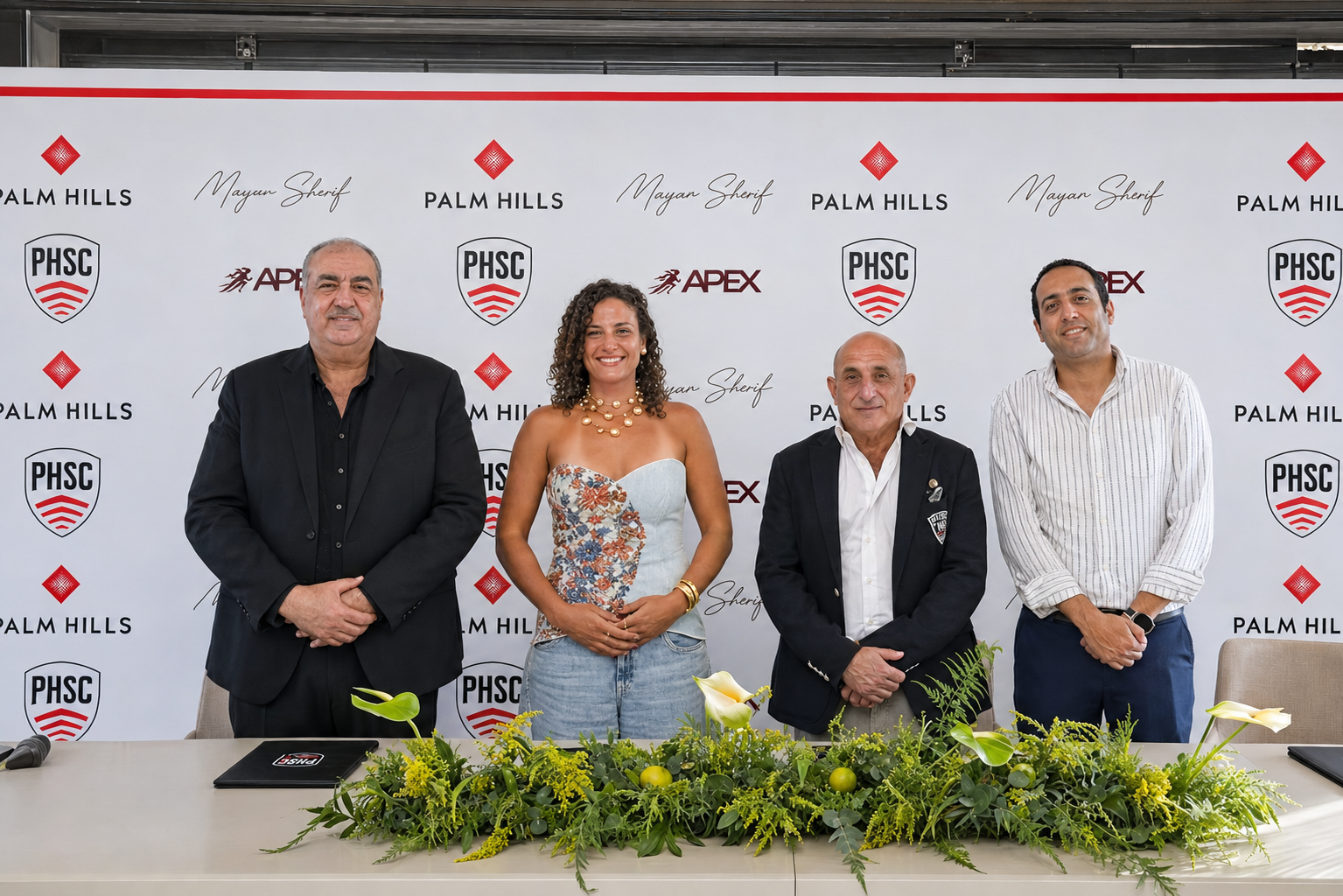
The most interesting new backer of African Olympic sport is not a bank, a telco or a betting brand. It is a property developer that owns sports clubs. Palm Hills Sports Club's deal with Mayar Sherif is a template that facility owners across the continent should copy, provided athletes and federations price it for what it really is: proof that a pathway works, not a logo on a shirt.
What happened
On 13 November, Business of Sports Africa reported that Palm Hills Sports Club, part of developer Palm Hills Developments' portfolio, has signed a sponsorship agreement with Mayar Sherif, Egypt's highest-ranked tennis player of the Open Era, to support her career and her preparation for the Los Angeles 2028 Olympic Games. No fee or term was disclosed. The club, which opened Africa's first Mouratoglou tennis centre in New Cairo in 2025, says more athlete signings will follow.
Sherif reached a career-high world ranking of 31 in 2023 and won her second WTA title, in Romania, in July 2026. Palm Hills has done this before: it signed world squash champion Nouran Gohar in 2023.
What it means
This is a different buyer with a different shopping list. A consumer brand buys reach. A facility owner buys credibility for things it already sells: academy places, club memberships and, in Palm Hills' case, homes in developments built around sports facilities. A visible athlete who trains and competes in the club's colours is the strongest evidence that the pathway in the brochure is real.
That changes the economics for athletes and their agents. The value is not measured in impressions, so the price should not be either. It sits in clinics, junior camps, shared coaching time, appearances for prospective members and content the club can use in its sales.
It also changes things for federations. When private clubs fund national-team athletes directly, they share the athlete's commercial calendar with federation and Olympic committee sponsors. Without clear rules, category clashes and image-rights disputes surface at the worst moment: the run-up to the Games, when Olympic advertising rules restrict what personal sponsors can do.
For broadcasters and digital publishers, the journey from club academy to Olympic court is a ready-made content series, with a presenting partner that has a commercial reason to pay for it.
Nothing about the model is uniquely Egyptian. Any African developer, school group or private club that builds sports facilities into what it sells faces the same marketing problem, and one well-chosen athlete can do more for it than a billboard campaign.
What we'd do
- Athletes and agents: build a separate "facility partner" package, distinct from consumer-brand categories, priced on clinics, junior programmes, appearances and content rights for member and property marketing.
- Clubs and developers: tie part of the fee to outcomes you can count, such as academy enrolments, membership enquiries and content performance, and secure image rights for sales use well before the Olympic restrictions begin.
- Federations and Olympic committees: ask for these deals to be registered, publish category rules that protect your own sponsors, and bring club-backed athletes into national development programmes rather than compete with their backers.
- Broadcasters and publishers: pitch clubs a documentary or short-form series that follows their athlete to LA 2028, with the club as presenting partner.
Sources: Business of Sports Africa, "Palm Hills Sports Club signs sponsorship deal with Mayar Sherif ahead of Los Angeles 2028", 13 November 2026; Women of Egypt, "Palm Hills Developments Sponsors World Squash Champion Nouran Gohar", 26 August 2023.