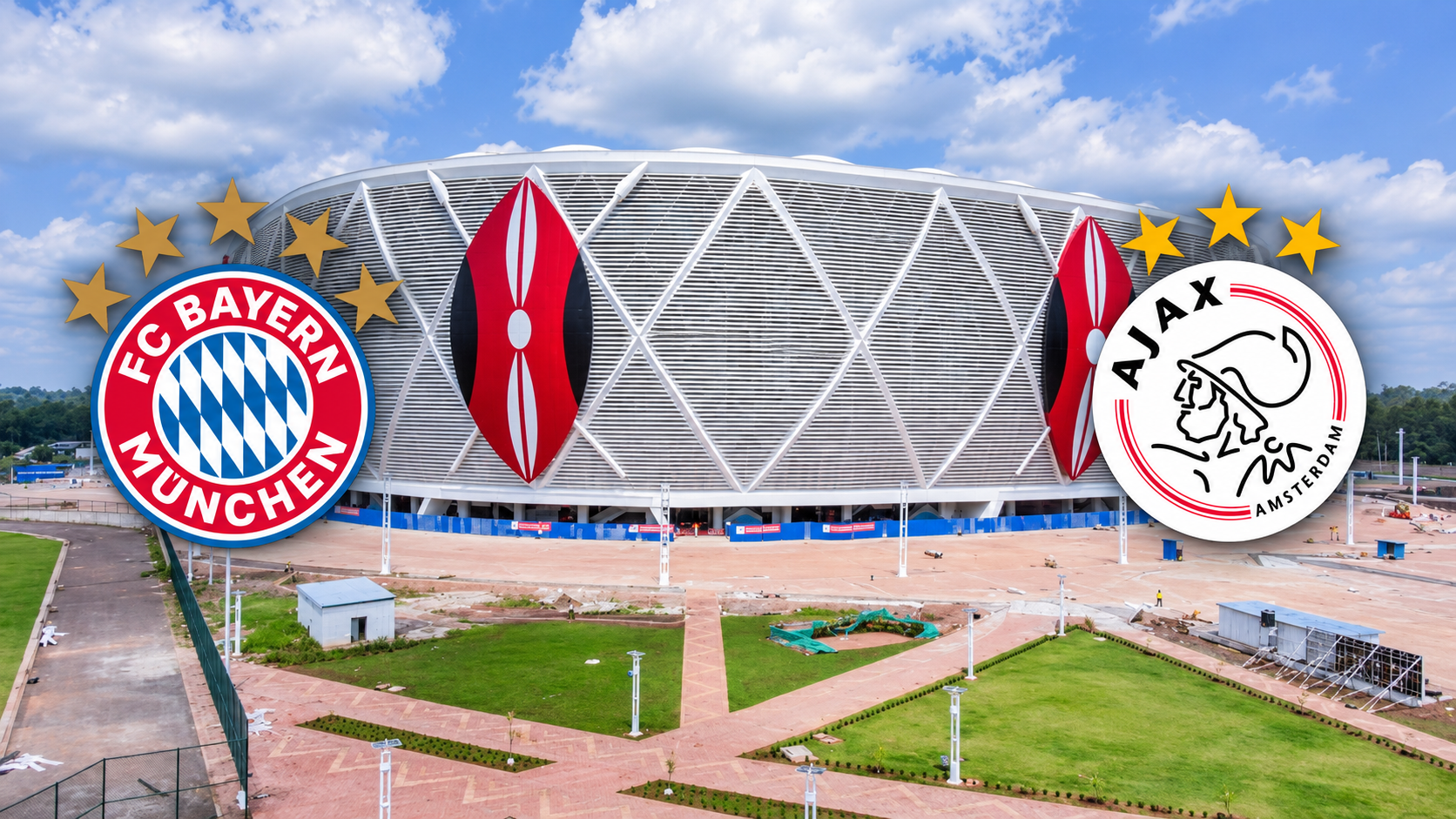
Kenya's AFCON 2027 organisers are talking up the most technically advanced stadium in Africa. The more valuable innovation is quieter: a €15 ticket that fans can pay off by mobile money in €2 instalments. That turns ticketing into a seven-month customer relationship, and the commercial terms around it need to be settled before January, not after the tournament.
What happened
In an interview published by AllAfrica on 18 November, Tony Lungaho, chief executive of the AFCON 2027 Local Organising Committee, set out plans for the 5 January inauguration of the 60,000-capacity Raila Odinga International Stadium (formerly Talanta Stadium) in Nairobi, with a friendly between FC Bayern Munich and Ajax. He said the first phase of tickets sold out in eight minutes through a system that lets fans choose exact seats and pay across several platforms. Tickets start at €15, with a mobile-money option of €2 instalments over seven months, and the event is meant to pay for itself through ticket sales and sponsorship rather than government money.
Lungaho described the match as a live rehearsal for the LOC's roughly 400 staff, said the venue will also serve as a concert and entertainment hub, and said lessons from CHAN point to tighter crowd-flow controls, more public fan zones and free-to-air coverage to absorb overflow demand. The stadium is due to be handed over on 30 November.
What it means
Demand is not the constraint; access and payment are. An instalment plan widens the paying base, but it also creates a list of fans with verified payment details, seat preferences and a months-long relationship with the event. That data is worth more than any single gate. The open question is who owns it: the LOC, the government, the ticketing vendor or CAF.
The instalment plan is sponsorable inventory. Mobile-money operators and telcos are the natural partners, and a branded way to pay for a seat over seven months is a stronger activation than a perimeter board.
The LOC's own CHAN lesson lands on broadcasters. CAF has named Media Experts Limited and Media Business Solutions as exclusive free-to-air rights holders for AFCON 2027 across sub-Saharan Africa, with national broadcast partners still to be announced. Public viewing, fan-zone feeds and the sponsorship around them should be written into those national deals now.
Venue legacy is a sales job. A stadium that also hosts concerts only pays its way if the calendar is sold before the tournament ends. The risk for any new African venue is a quiet year after the final whistle.
What we'd do
- LOCs and federations: write data ownership and CRM access into ticketing contracts now, and aim for one fan database across Kenya, Uganda and Tanzania, not three.
- Sponsors: bid for a payments and instalments category with the LOC. It is a seven-month brand relationship, not a matchday one.
- Broadcasters and free-to-air partners: agree public viewing and fan-zone terms in each national sub-licence, with audience measurement built in, so out-of-home viewing can be sold to advertisers.
- Venue owners: publish the 5 January results, including attendance, revenue, instalment take-up and default rates, and use them to sign concert and event bookings for the second half of 2027.
Sources: AllAfrica, interview with AFCON 2027 LOC CEO Tony Lungaho, 18 November 2026; AfricaSoccer.com, CAF names broadcast partners for 2027 AFCON across sub-Saharan Africa, 3 November 2026; Vanguard, 2027 AFCON: CAF appoints MEL, MBS broadcast rights holder, October 2026.