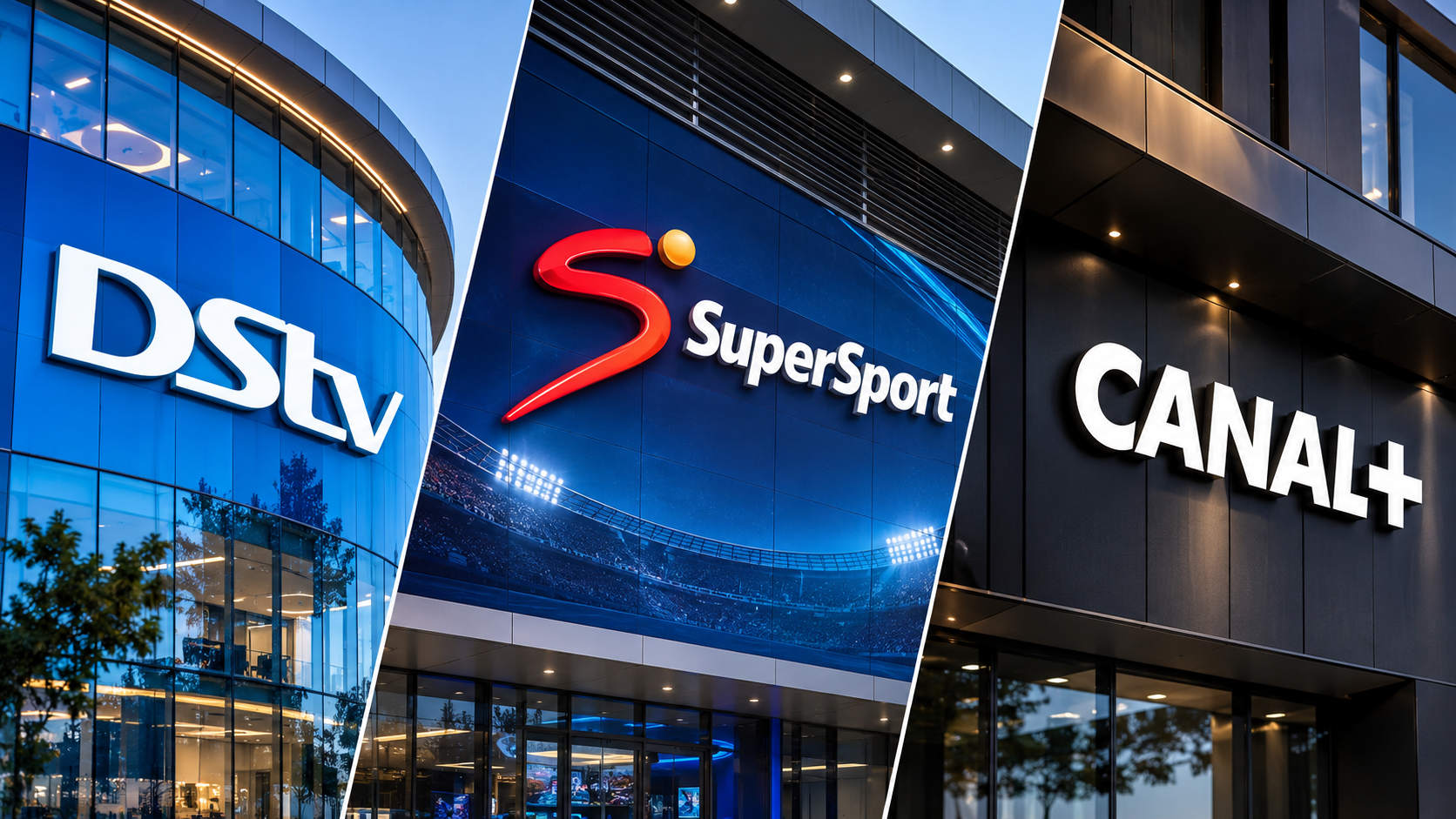
Canal+ has stopped treating DStv as a luxury product. Its move to cheaper, sport-led packages means Africa's biggest pay-TV buyer now wants volume, not scarcity. Rights holders who still pitch their properties as premium exclusives for a shrinking elite are selling into a strategy that no longer exists. Sell reach, and the sponsor value that comes with it.
What happened
Nzola Miranda, who leads Canal+ in Kenya, has explained the thinking behind October's DStv price cuts. In an interview first carried by The Star in Nairobi and reported by Broadcast Media Africa on 25 November, she described a shift away from premium pricing towards affordability, on the bet that more subscribers will make up for lower revenue per subscriber. She also confirmed that Canal+ is building a single streaming service to replace DStv Stream, after GOtv Stream closed earlier this month, and acknowledged that Showmax had shown that owning a platform is not enough on its own.
The cuts are already in the market. In Ghana, the new Sports package costs GH¢250 a month against GH¢563 for the previous full football offer, a reduction of about 56%. Kenya's Sports package is KSh3,000 a month and includes every Premier League and Champions League match (IOL, 9 November). At the other end of the market, Royal Media Services has started testing a KES 350 monthly membership for the YouTube live streams of Citizen TV, Inooro TV and Ramogi TV, although the rollout is patchy and there has been no formal announcement (Broadcast Media Africa, 24 November).
What it means
Pay-TV is getting cheaper while free-to-air broadcasters test paywalls. The gap between free and premium is closing, and sport sits in the middle of it.
- Rights fees per subscriber come under pressure. A broadcaster earning less per home will look harder at what each property costs. Leagues and federations that depend on minimum guarantees should expect tougher renewals, especially for content that does not drive sign-ups to the new Sports tiers.
- Reach becomes the currency. If the volume bet works, more homes see the product. That is worth more to sponsors than to the rights-fee line, so value shifts from what the broadcaster pays to what the rights holder can sell around the broadcast.
- A platform change is coming. One app replacing DStv Stream means new carriage terms, new metadata and new discovery. Properties that are hard to find in the new app will lose audience, whatever happens on the linear channel.
- Digital rights matter more. If free-to-air groups start charging on YouTube, the line between a promotional clip and a paid product blurs. Rights holders who left YouTube and highlights rights undefined are giving away a revenue line that broadcasters have started to price.
What we'd do
- Rebuild the pitch around audience. Go into renewals with your own viewing and digital data, and propose part of the value as shared upside linked to subscriber or viewing growth, rather than a flat fee you will struggle to defend.
- Move sponsor inventory into the broadcast. Keep and sell virtual advertising, branded segments and title sponsorship of the feed itself. On a volume platform, that is where the extra money sits.
- Negotiate your place in the new streaming app now. Ask for a dedicated hub, on-demand rights and match-by-match audience reporting before the app launches, not after.
- Define digital rights clause by clause. Separate live streaming, highlights, YouTube and short-form in every contract, so a broadcaster's paywall experiment does not turn your content into its product for free.
Sources: Broadcast Media Africa, Canal+ shifts DStv strategy towards affordability and subscriber growth, 25 November 2026; Broadcast Media Africa, Royal Media Services tests paid YouTube access for Kenyan TV channels, 24 November 2026; IOL, Streaming wars: African broadcasters slash prices and partner with global platforms, 9 November 2026.