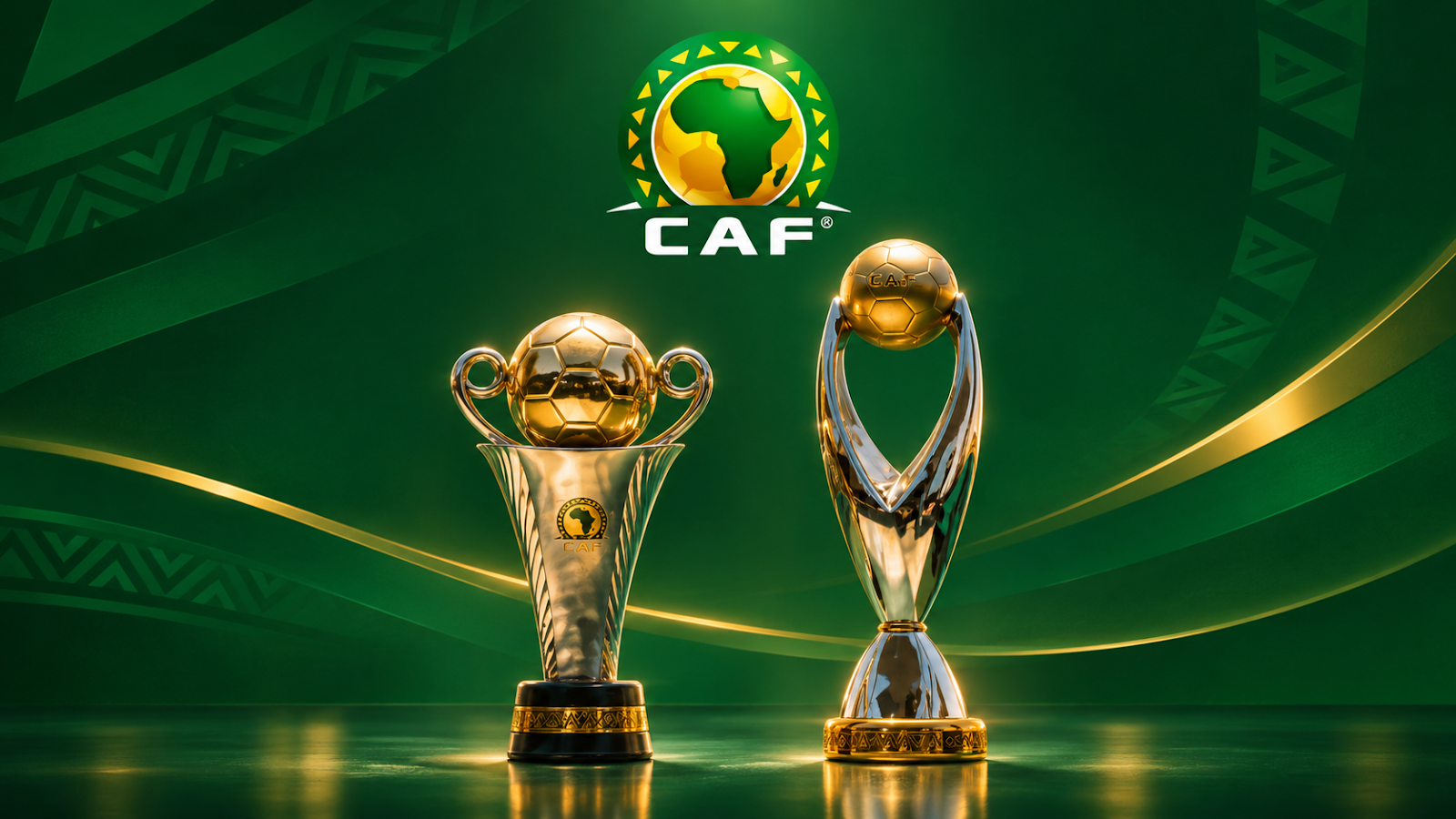
CAF has moved its club competitions to a two-season rights cycle, and that is progress. But it has again given the market about a week to bid, less than three weeks before the group stage kicks off. A window that short rewards whoever is already set up to broadcast, not whoever has the best plan for the product. Bidders who want in should send a tight, deliverable offer by Wednesday, and clubs and sponsors should start planning around whoever wins.
What happened
CAF has invited bids for sub-Saharan media rights to the TotalEnergies CAF Champions League, the TotalEnergies CAF Confederation Cup, the CAF Super Cup and the CAF Women's Champions League for the 2026-27 and 2027-28 seasons. English-language and local-language rights are on offer, on both free-to-air and pay-TV. North African rights and French-language pay-TV rights are excluded. Bids close at 5pm Egyptian time on 11 November, and the invitation to tender is available from CAF's media sales team. The Champions League group stage starts on 27 November.
The timing repeats last year. CAF launched its 2025-26 club tender on 31 October 2025, for one season, with bids due on 10 November. It runs alongside the amended AFCON tender for 2028, 2031 and 2033, which closes on 16 November.
What it means
For broadcasters, a two-season deal changes the sums. One season rarely justifies building a studio show, local-language commentary or a marketing campaign. Two seasons, with the Women's Champions League included, start to. The catch is the clock: whoever wins has about 16 days to sort out feeds, schedules, talent and advertising sales. In practice that favours pay-TV operators already carrying CAF football and free-to-air networks with spare capacity and a sports desk.
For clubs, the rights sit centrally with CAF, but the broadcaster decides how visible each club's continental run is in its home market. Clubs whose national free-to-air broadcaster does not win rights may find their group-stage matches only on pay-TV, which affects what they can promise shirt and stadium sponsors.
For sponsors of clubs and of the competitions, the broadcaster line-up decides who actually sees their logo. Until the awards are announced, nobody can confidently quote reach for the coming group stage.
For CAF, the exclusions are telling. With North Africa and French-language pay-TV held back, the open package is mainly English and local-language sub-Saharan rights. Those markets are where CAF's audiences are growing; it reported a 35% rise in sub-Saharan TV audiences for its club competitions when it launched last year's tender. A short window is a poor way to find out what those markets will pay.
What we'd do
Broadcasters bidding: bid for what you can deliver on 27 November. Take a defined set of matches, the Women's Champions League as a free-to-air anchor, and clear sub-licensing rights for local-language partners, rather than overreaching on territory.
Price the second season separately: ask for a year-two fee linked to audience delivery or a break clause. That protects both sides in a cycle that starts at speed.
Clubs in the group stage: talk to likely winners in your market now about pre-match access, local-language content and highlights for your own channels, so you are ready when the award lands.
CAF: publish the 2028-29 club tender at least six months before kick-off, with the AFCON calendar alongside it. Longer windows bring more bidders, and more bidders bring better prices.
Sources: Sportcal, 3 November 2026; Broadcast Media Africa, 6 November 2026; SportsAfrica, 31 October 2025 (2025-26 tender and audience figure).