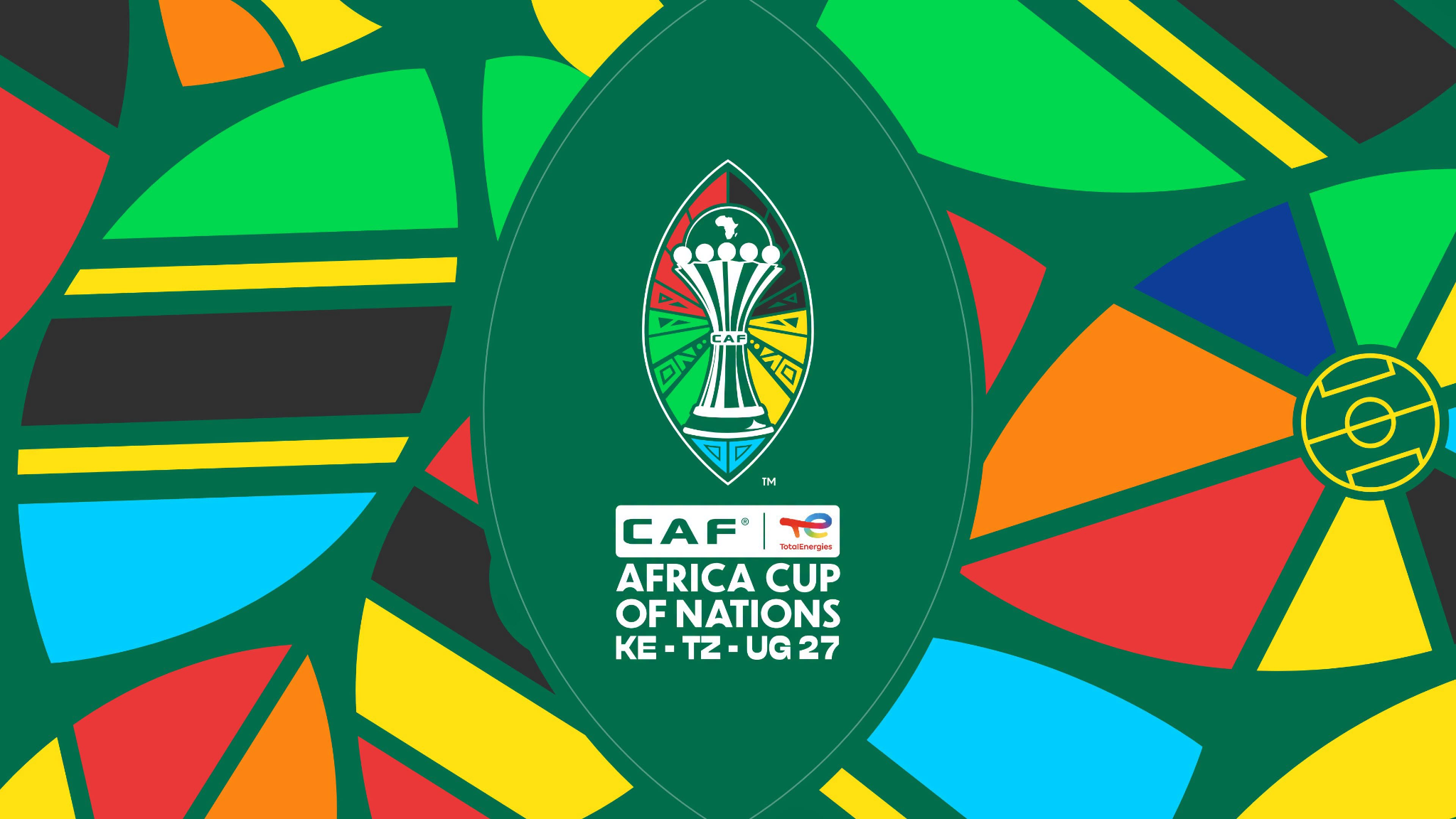
The AFCON PAMOJA 2027 logo is not a design story. It is the starting gun for seven months of licensing, retail and sponsor activation, and most of the money will go to whoever has legitimate product in mass-market shops before fans go looking for it. Zimbabwe's football association showed this week where those shops are: supermarkets, not stadium kiosks.
What happened
On 19 November, CAF and co-hosts Kenya, Tanzania and Uganda launched the official logo for the 2027 Africa Cup of Nations. It went live in all three countries at 13:00 local time, 212 days before kick-off on 19 June 2027. The emblem is built on a traditional East African shield, with the trophy at its centre, the outline of the continent above it and the three hosts' national colours blended into the design. It comes with a family of 12 shield patterns reflecting each host's character, and was produced by CAF's own creative team.
A day earlier, the Zimbabwe Football Association (ZIFA) launched a retail partnership with TM Pick n Pay to sell ZIFA-branded merchandise through the chain's supermarkets. The rollout runs in three phases: the Village Walk store in Borrowdale, Harare, then selected stores, then the whole network. ZIFA president Nqobile Magwizi presented it as making official merchandise easier for supporters to buy while building sustainable revenue for the game.
What it means
The identity is now a product system, not just an emblem. A family of patterns is more useful commercially than a single logo. It lets licensees, broadcasters and sponsors dress products, studios and campaigns consistently without redrawing the mark each time. That makes licensing faster to approve and easier to police.
The clock favours counterfeiters unless the licensing route is clear. Demand for AFCON goods in Nairobi, Dar es Salaam and Kampala will build from now, not from June. We could not find a published licensing programme or approved-manufacturer route for local producers in the host countries at the time of writing. Every month without one is a month in which unofficial suppliers meet demand first and set the price.
Federations own what fans actually buy. National associations cannot use AFCON marks without CAF's permission, but they control the national-team shirt and their own crests. Most lack retail distribution. ZIFA's answer is to borrow it: a grocery chain already has footfall, stock control, payments and national reach. A phased rollout also lets a federation test prices and sell-through before committing stock to every store.
What we'd do
- CAF and the host LOCs: publish licensing categories, the application route and approval timelines for local manufacturers within weeks, not months, and agree an anti-counterfeit plan with customs and police in all three host countries before stock starts moving.
- Federations of qualified and contending nations: sign a mass-market retail partner now, phased like ZIFA's, with clear price tiers from replica shirts to entry-level fan items. Check first that the kit supplier's contract allows it, and have stock on shelves before squad announcements.
- Sponsors and rights-holding broadcasters: request the brand guidelines and pattern files early and build creative and on-air packaging now, so the identity is familiar to audiences by June rather than introduced in tournament week.
- Retailers in the host countries: approach CAF and the LOCs about official AFCON ranges. An official tournament shelf is a footfall driver for seven months, not a one-month promotion.
Sources: MyJoyOnline (CAF statement), 19 November 2026; Citizen Digital, 19 November 2026; Nile Post, 19 November 2026; Soccer24, 18 November 2026; NewsDay Zimbabwe, November 2026.